[Closed] Animal Conservation Charity Batch
Posted 2 months ago :: Last edited 1 month ago by kitterbot

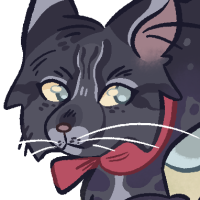
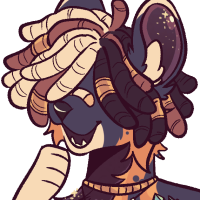
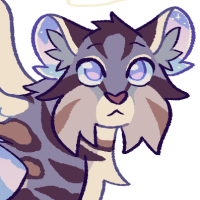
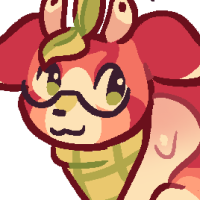
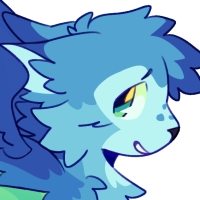


Hi everyone! It's finally around time for our annual charity batch! This time around, all of the characters featured are based, in some way, off of endangered or threatened animals! By bidding, you'll be contributing to the conservation of these and other animals and ecosystems alike. Thank you for your interest!
SB: $15
MI: $2
AB: nONE!
Please take a moment to learn about the featured animals and what you'll be donating towards!
Olm
Design by yugioh
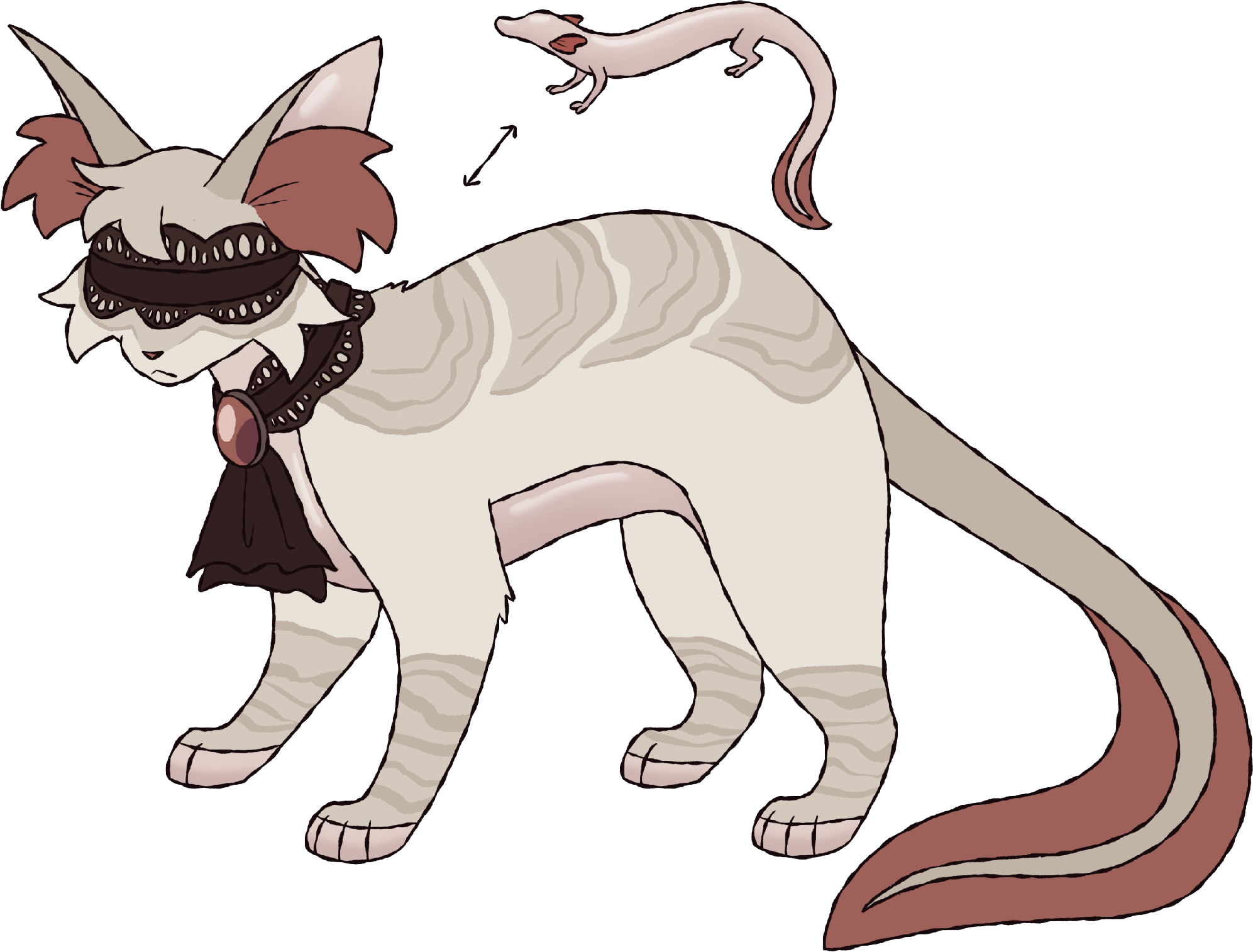
The olm is a unique type of Salamander that lives in caves. Amongst other incredible adaptations, they, notably, have no visible eyes! They rely on other well-adapted senses to navigate. They can also go incredibly long times without the need to eat!
Olms are cave-dwelling creatures that are extremely sensitive to changest in their enviornments, and are currently facing threat due to human-induced pollution. Donations will go through WWF's Adopt an Olm Program. (You'll even get to "adopt" your very own olm! How cool!)
(Note: Bids will be in Euros rather than USD)
Cat Ba Langur
Design by fennecbug
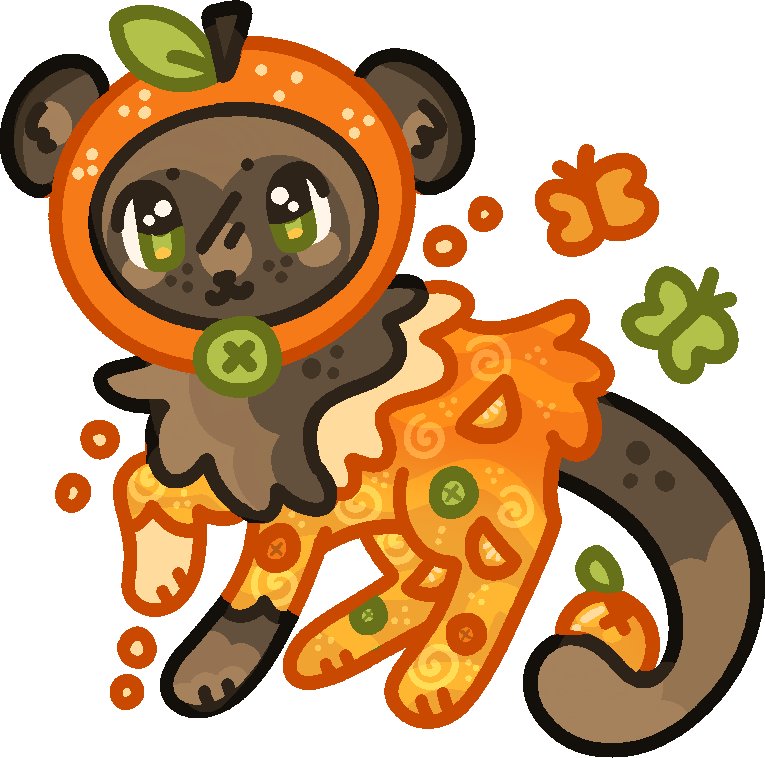
The Cat Ba langur, or golden-headed langur, is a species of langur found exclusively on Cat Ba Island in Vietnam. Living in an isolated area has lead them to adapt the ability to drink salt water, making them one of the only species of primate to do so!
Cat Ba langurs are extremely endangered, with less than 100 estimated to be remaining. While a previously small population due to being endemic to Cat Ba Island, their numbers have plumeted due in large part to poaching and environmental threats. Donations will go through Monkey World's Ape Rescue Trust.
Darwin's Fox
Design by fennecbug
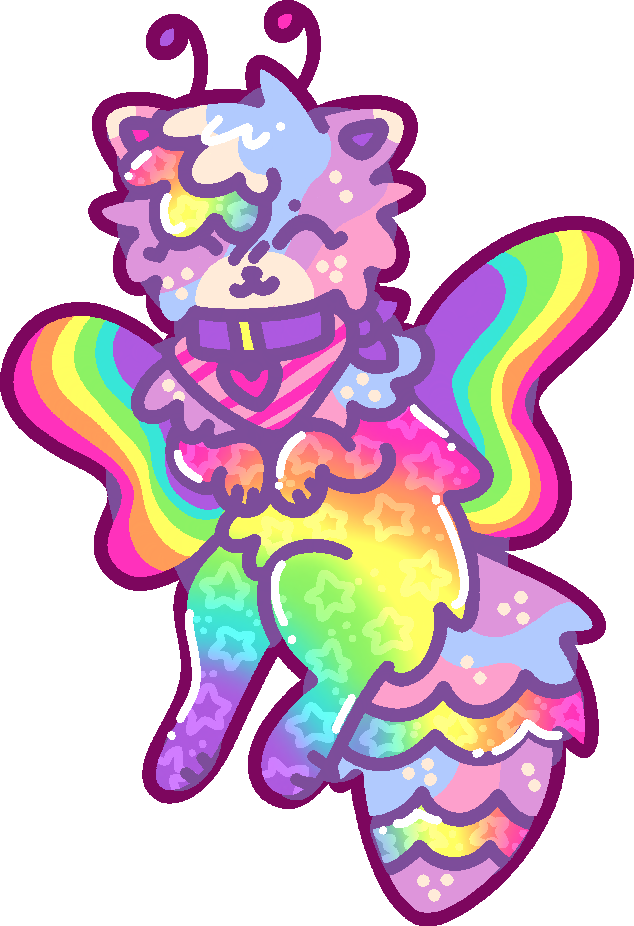
The Darwin's fox is a unique canid species exclusive to Chile. As was found out after their discover, they are not true foxes, rather falling into "false foxes" with other species such as the bat-eared fox. They have beautiful grey and black pelts with red legs and ears!
Darwin's foxes are another small, endemic population. Their numbers are threatened further by humans and dogs populating their native areas, creating enviornmental threats, and dogs that hunt and spread diseases. Donations will go through Fox Protection International.
Owston's Civet
Design by kitterbot
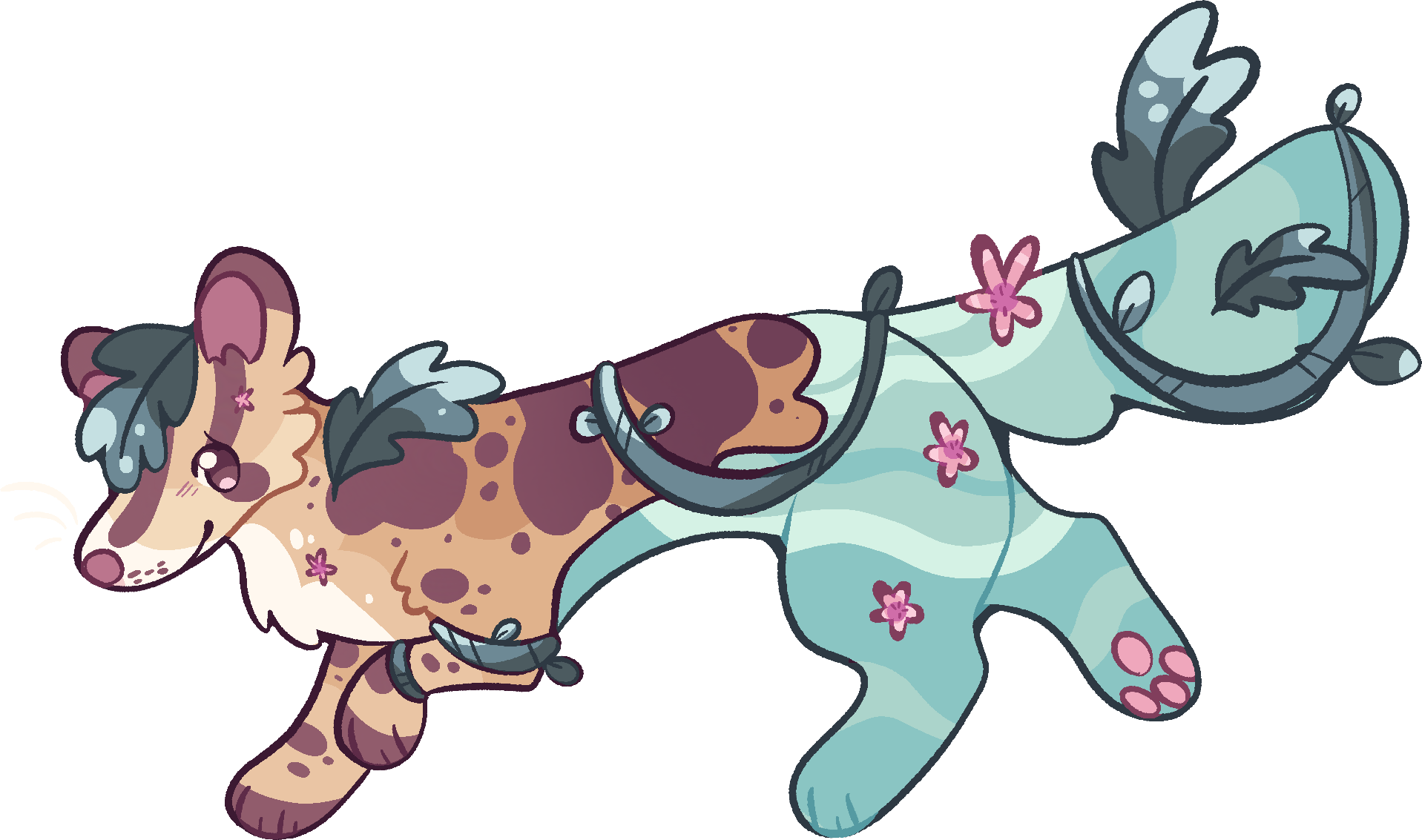
The cryptic Owston's Civet is native to Northern Vietnam, Loas, and Southern China. as the sole member of the Chrotogale genus within the Viverridae family, they the only civet to be completely terrestrial! They prefer their habitat to be evergreen forests and wooded lowlands. Their diet consists of yummy earthworms as well as some fruits and insects.
Because of their activity on the ground, Owston's Civets are very susceptible to humans. Civets in general are trapped for human use in "civet coffee", but due to the diets of owston's civets they do not produce the specific ingredient. Instead they are trapped for the illegal exotic pet trade and meat. As well as their declining habitat, Owston's Civets are listed as endangered. Donations will go through The Civet Project.
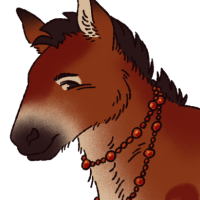
Przewalski's Horse
Design by mikeyway
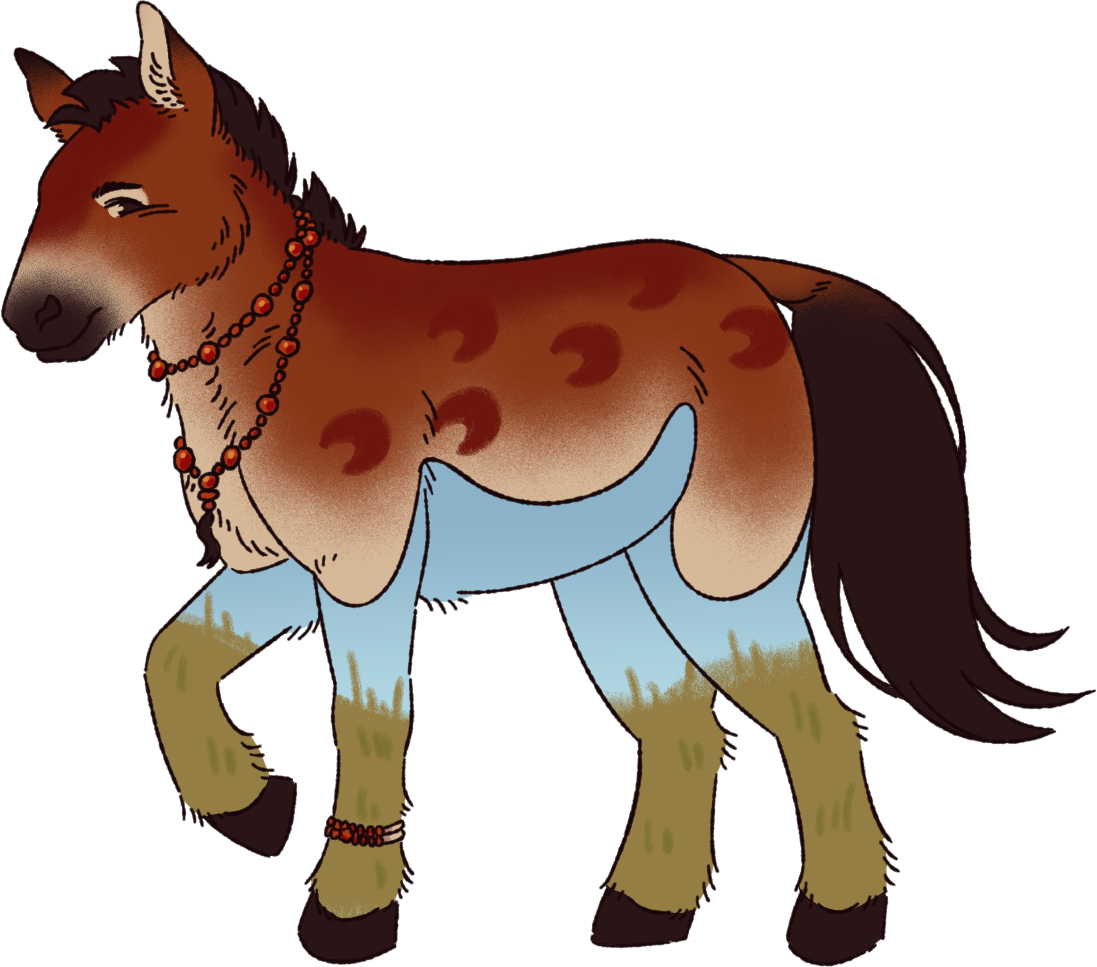
The Przewalski's horse is regarded as the last truly wild horse species. They are endemic to Mongolia. Fun fact – wild horses, including the Przewalski's horse, feature many features similar to cave paintings of horses, leading us in the modern day to belive that cave paintings of horses are acurate depcitions!
The Przewalski's horse was deemed extinct in the wild in the 1950s, but has since been successfuly reintroduced to the wild with further conservation efforts actively ongoing in China and Mongolia. Over the past 70 years, their population is estimated to have gone from 12 to over 2000! Donations will go through the International Takhi Group.
Iriomote Cat
Design by kitterbot
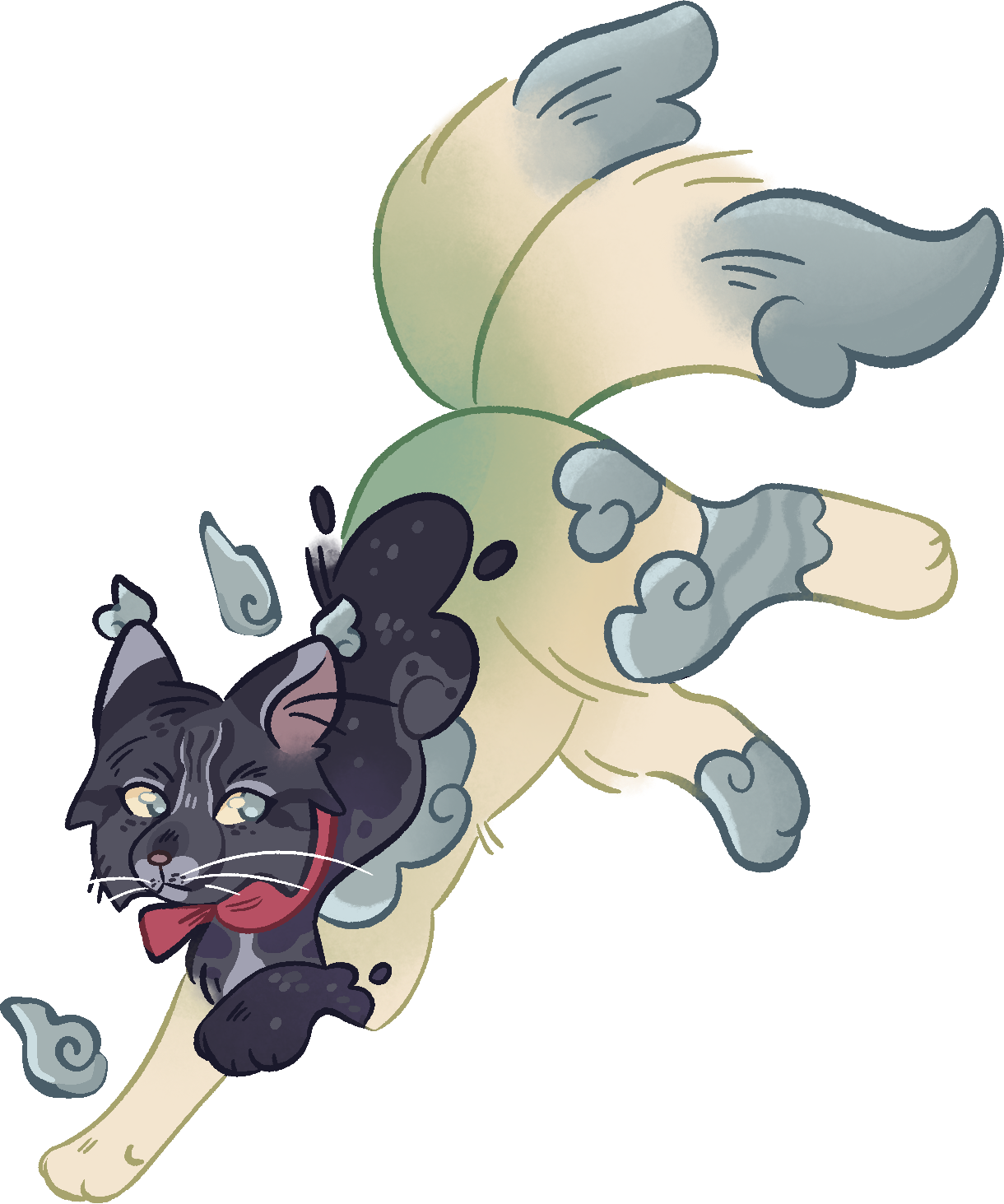
On the small Iriomote Island of Japan hails the elusive Iriomote Cat. Orignially thought to be its own species, it is now classified as a subspecies of Leopard Cat. These cats are nocturnal, functioning as a generalist hunter, they prey on rodents, bats, lizards, frogs, fish, and insects. In all, their prey consists of 95 different species of animals.
Due to their extremely small population of 100-150 individuals, the Iriomote cat is highly vulnerable to disease outbreaks, brought from feral cats on the island, and genetic problems. These cats also face habitat loss from human development as well as being struck on roadways. The Iriomote cat is listed as critically endangered. Donations will go through Small Wild Cat Conservation Foundation.
African Wild Dog
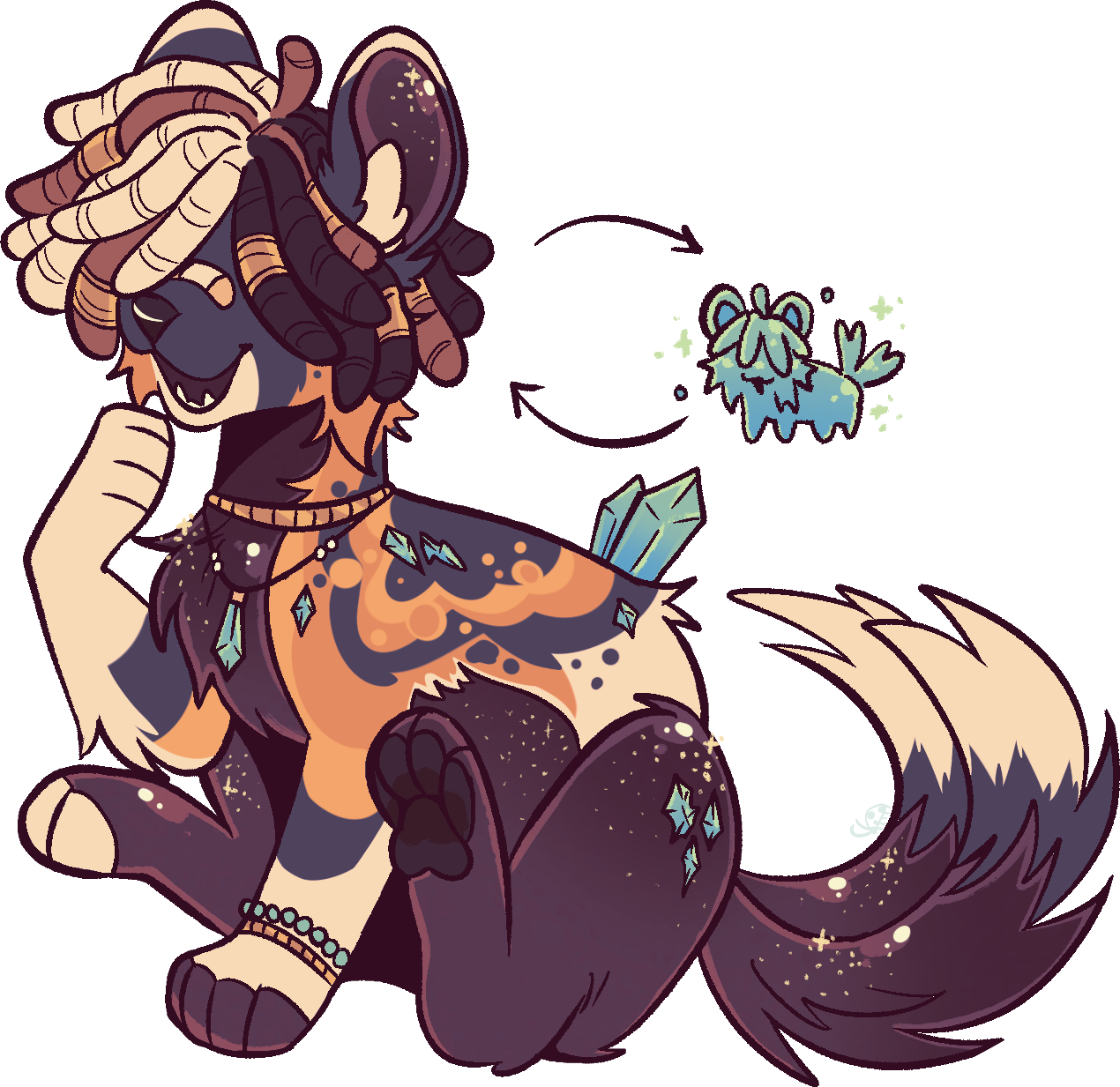
The African wild dog, sometimes known as the painted dog, is popular for its unique appearance for a canine, having rounded ears for cooling and and pelts with orange, white, and black spotting. They're incredibly skilled hunters, with a success rate over 70% higher than a lion's and work in packs to do so!
The largest cause of the African wild dog's endangerment is habitat fragmentation, amongst other human-induced causes. Donations will go through the Wildlife Conservation Network's Painted Dog Convservation fund.
Andean Mountain Cat
Design by zorua
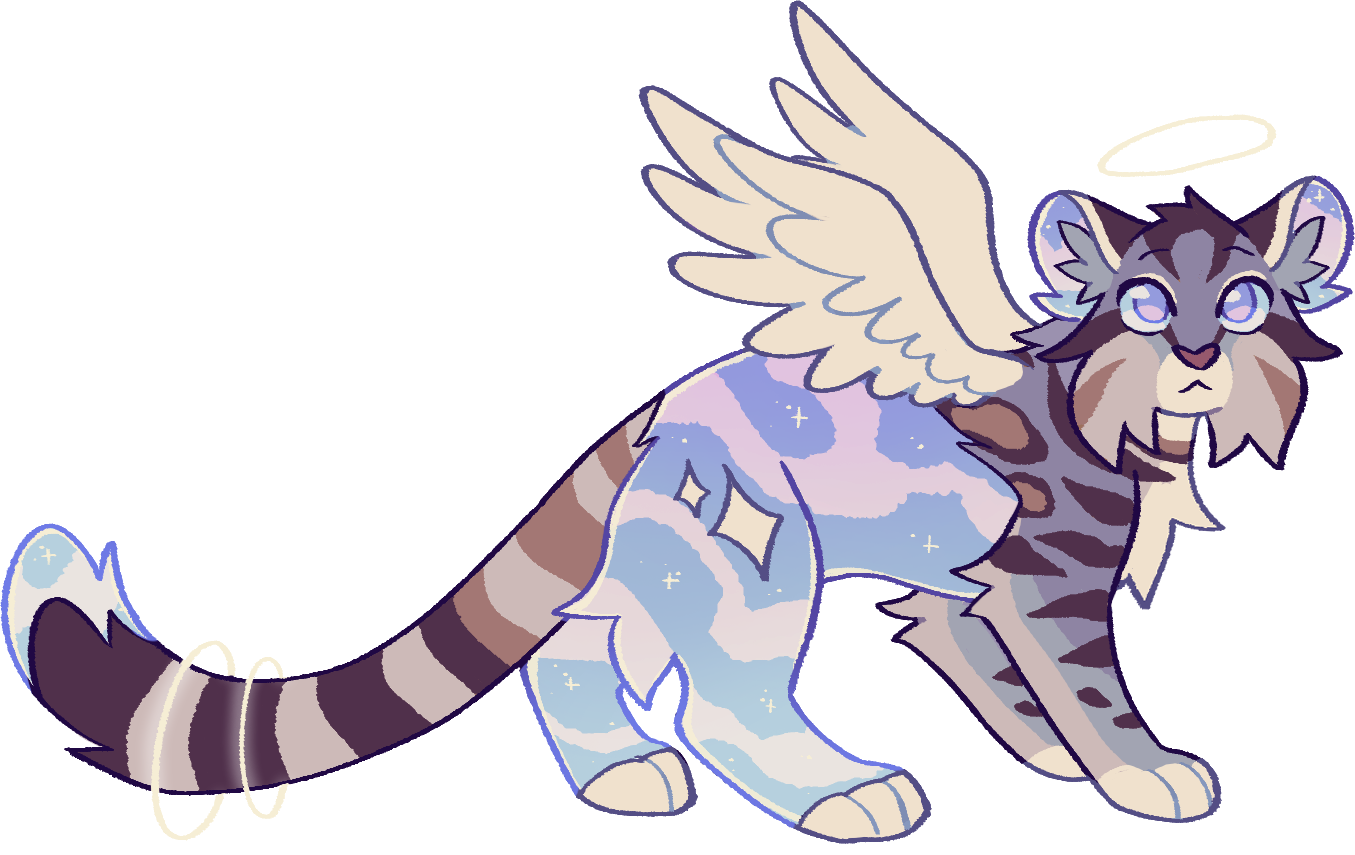
The Andean mountain cat is an elusive wildcat that is, unsurprisingly, found in the Andes. These beautiful cats can be identified by their plush fur and brownish-yellow blotches. Its primary prey is a rodent known as the mountain viscacha. They are also considered sacred by the Aymara and Quechua people, indigenous groups of the Andes region.
These cats are facing extinction due to overhunting and habitat loss. Roughly 1,5000 of these cats remain. Donations to help these cats recover will go to Gato Andio.
Mount Kaputar Pink SLug
Design by slug
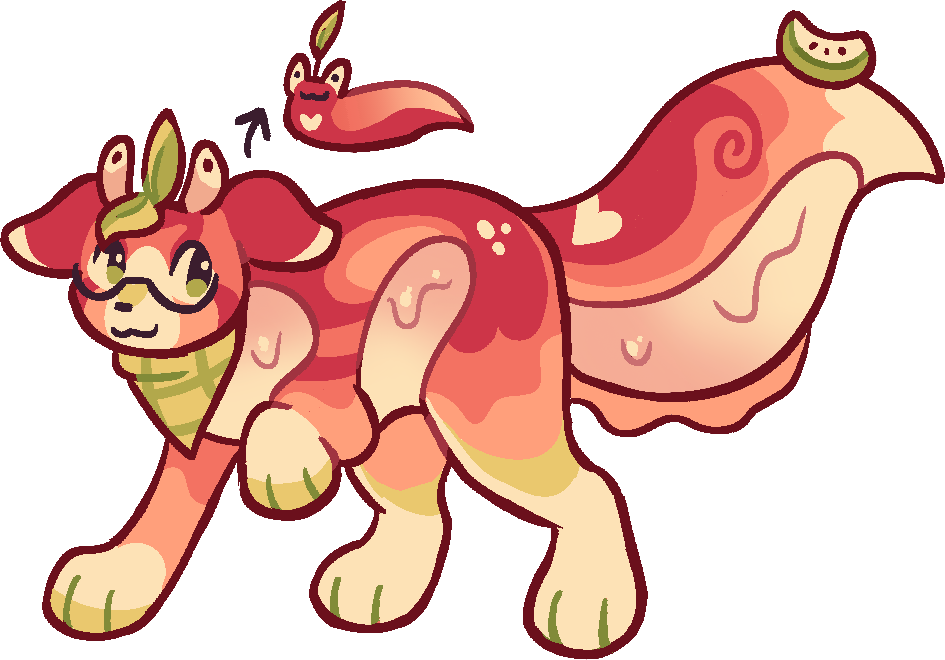
The Mount Kaputar pink slug, discovered less than two decades ago, is an Australian species of slug adorning a bright pinkish-red color! They are native exclusively to a small area in one extinct volcano, their namesake, Mount Kaputar. Mount Kaputar pink slugs are fungivorous!
An estimated 90% of the Mount Kaputar pink slug population was wiped out by wildfires around 2019, though the species seems to be making a steady recovery. Donations will go through Bush Heritage Australia, dedicated to protecting Australian Ecosystems, including where the Mount Kaputar pink slug resides!
Spix Macaw
Design by tfb
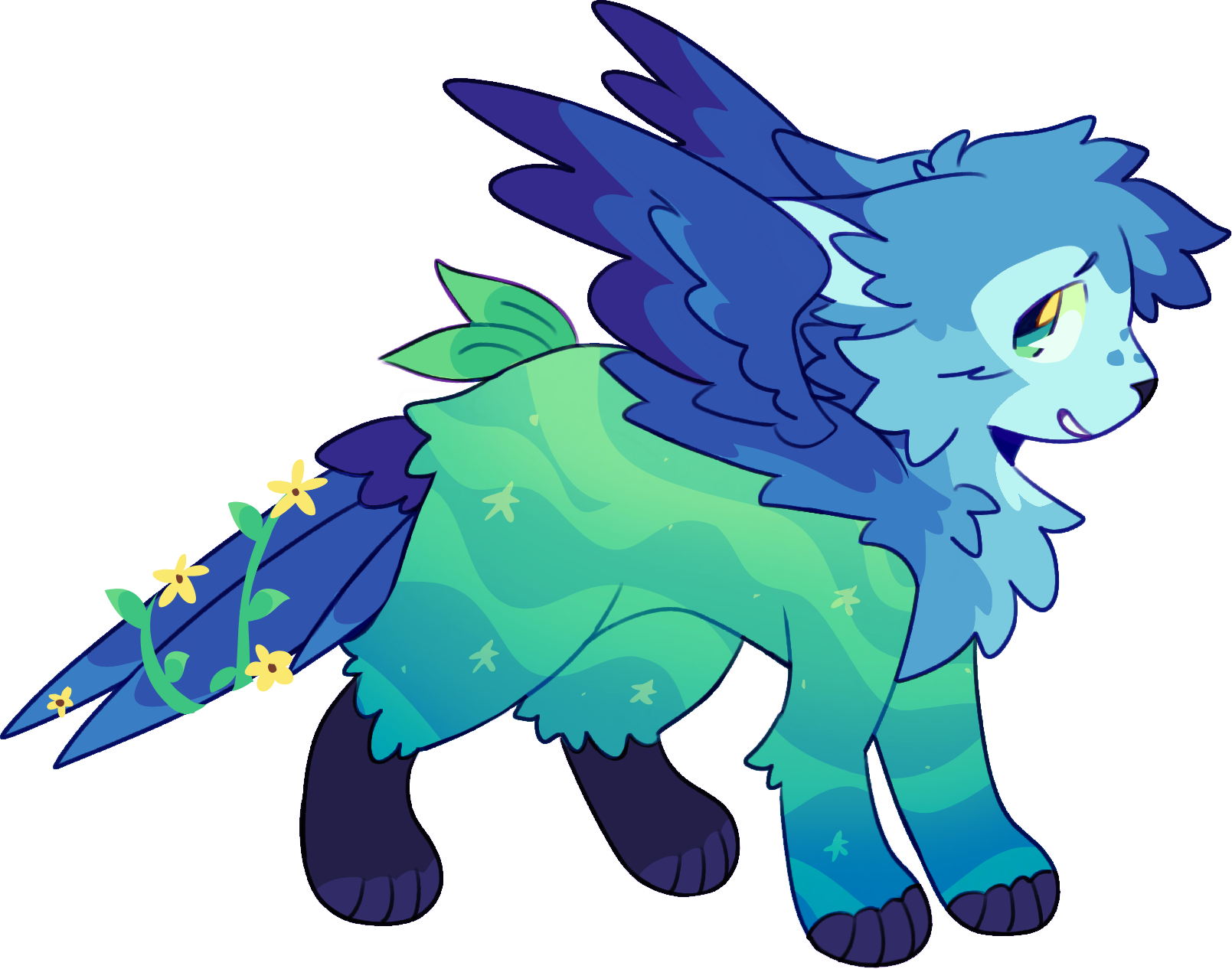
Spix Macaws are a species of parrot endemic to The Caatinga in Brazil. They're a unique, vibrant blue color, and are sometimes known as the "little blue macaw" due to their small size compared to other macaw species. The conservation of Spix Macaws gained large popularity from their species being featured in the film Rio!
Spix Macaws were declared extinct in the wild in 2019, remaining only in captivity. While reintroduction was attempted in 2022, the wild population was once again threatened by a virus in 2025, returning them to their extinct in the wild status. Their numbers are actively fluctuating with a mix of health concerns and conservation effforts. Donations will go through the World Parrot Trust.
African penguin
Design by sam

African penguins live exclusively on the coasts of South Africa, contrary to the typical cool enviornments penguins are typically found in. They have unique cries, comparable to the braying of donkeys! African penguins have black speckles on their chest, each having a different pattern of them, kind of like human fingerprints!
African population has declined by over 95% since the 1900s, with a pirmary cause being cited as starvation, due to their food resources dwindling in competition of fishers. Donations will go through SANCCOB.








slug Staff Member
Bid here for OFC-2895!
2026-04-28 17:02:52
Feature Comment
pawtopia any prns
sb hi
2026-04-28 17:03:51
Feature Comment
Mouer They/Them
20!
2026-04-28 17:28:18
Feature Comment